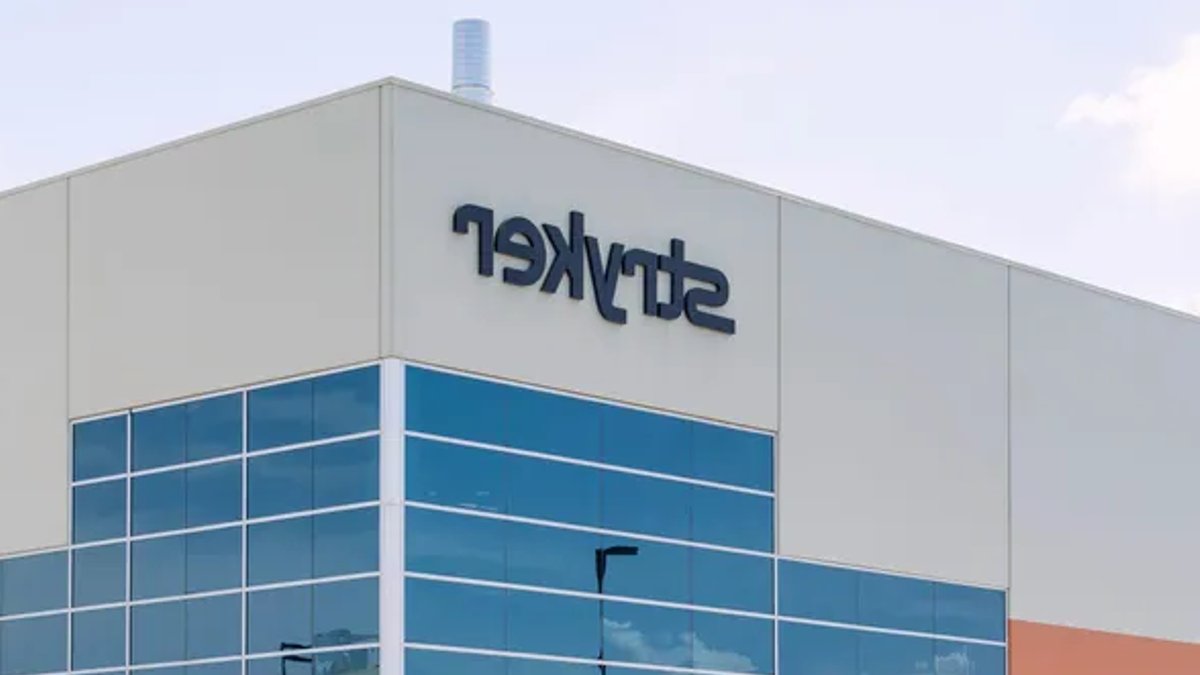
Stryker is working to catch up on orders and manufacturing after a cyberattack disrupted its operations earlier this year. The company’s CEO, Kevin Lobo, said Stryker is addressing a backlog of orders and grappling with a supply disruption related to Inari Medical.
The cyberattack, which occurred in March, took out Stryker’s order processing, shipping, and manufacturing for nearly a month, affecting its first-quarter results.
Kevin Lobo told investors that the company has ramped up production to address the order backlog, which he expects to reach a manageable level by the end of the third quarter.
They feel good about the overall health of their businesses, and they’re going to recover at different points in time, Lobo said during an earnings call.
Stryker reported revenue growth of more than 9% to $6.6 billion in the second quarter, with net earnings increasing by about 44% to $1.3 billion.
Related: FDA Reconsiders Its Use of Artificial Intelligence
The company still faces costs related to the cyberattack, including losses from manufacturing and IT charges as it works through remediation, according to CFO Preston Wells.
Wells also mentioned that Stryker is managing costs around oil and raw materials.
Lobo shared an update on manufacturing, stating that the company still has a tremendous number of orders to catch up on, particularly with medical beds.
Making beds takes time, and they were out of production for a long period of time, Lobo said.
Stryker is also working through a supply disruption with its Inari Medical business, which was acquired last year for about $4.9 billion.
Stryker narrowed its organic sales growth forecast for 2026 to a range of 8.3% to 9.3%, compared with a previous range of 8% to 9.5%.
Related: J&J’s Ottava robot advances surgical precision
Some analysts, such as BTIG analyst Ryan Zimmerman, questioned how Stryker plans to catch up in the second half of the year.
Lobo responded by saying that Stryker already has the orders, so demand for capital equipment isn’t a concern, adding that all the company has to do is make and ship the products.
Patient care relies on Stryker’s products, and the company’s ability to deliver them in a timely manner is essential for ensuring patients receive the care they need.
As Stryker works to address its backlog and supply disruptions, it is focusing on delivering products on time.
“Honestly, on a $25 billion business, to be growing at around the 9% range, it’s still a pretty good year, given that we were knocked out for almost an entire month,” Lobo told investors.
