By linking the two agencies, the rule hopes to create a smoother path from regulatory clearance to payment eligibility, reducing delays for patients who need advanced therapies.
The new pathway allows Medicare to issue a proposed national coverage determination (NCD) the same day the FDA grants market authorization for eligible devices. Coverage could begin as early as 60 days after FDA approval, cutting months off the traditional timeline. The proposal follows a public comment period of two months before implementation, giving stakeholders time to weigh in on the approach.
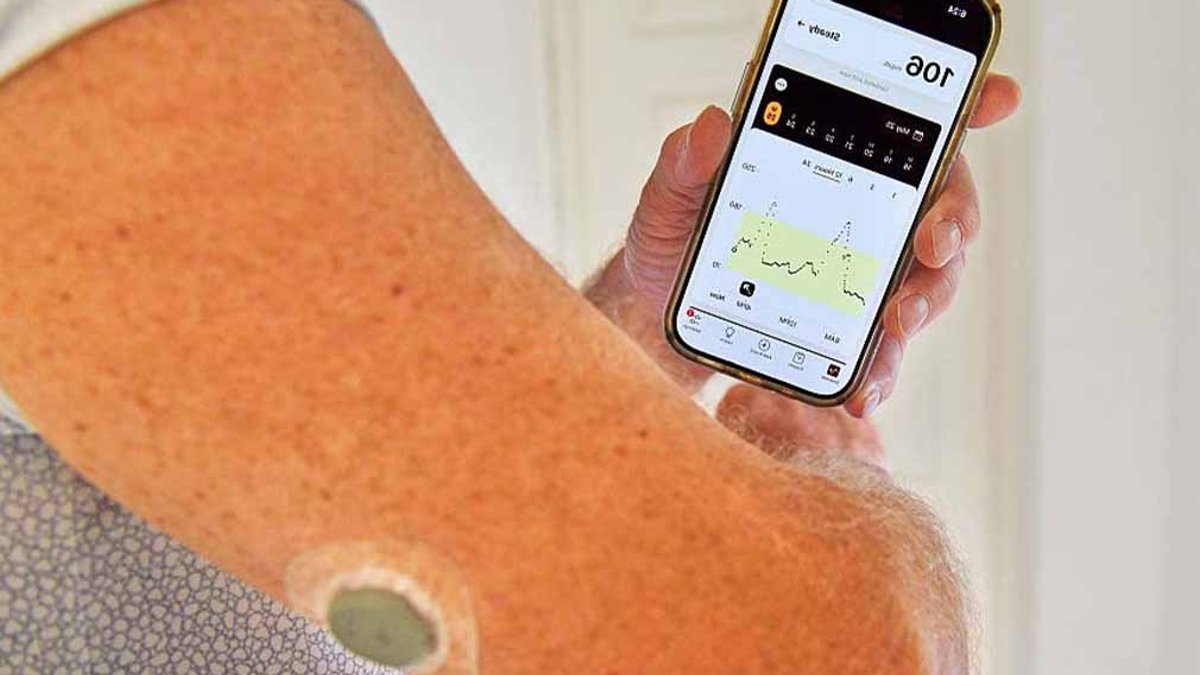
RAPID applies to FDA-designated Breakthrough Devices, which include life-saving or life-improving technologies such as continuous glucose monitors, AI-driven diagnostics, and robotic surgical tools. The program excludes in-vitro diagnostic (IVD) products, which CMS continues to handle through specialized Medicare contractors. These technologies are intended to improve daily disease management and surgical precision for patients across the country.
The FDA’s Breakthrough Devices Program—established under the 2016 21st Century Cures Act—already accelerates reviews for novel devices. CMS’s RAPID pathway further streamlines the process by pre-aligning evidence requirements between the two agencies. As of March 31, the FDA had granted 1,284 Breakthrough Device designations, and the growing tally reflects manufacturers’ interest in the expedited route.
Industry groups have long pushed for smoother pathways to cover cutting-edge technologies, and RAPID represents a direct response. The change could particularly benefit patients with rare or severe conditions who rely on emerging therapies. Patient advocates have welcomed the prospect of faster coverage for treatments that currently lack alternatives, though the scope remains limited to specific device classes, leaving other medical innovations outside its reach.
CMS first announced the RAPID concept in April, marking a joint effort with the FDA to reduce bureaucratic hurdles. The formal notice now outlines operational details, including how manufacturers will submit evidence and how coverage timelines will be enforced. They will be required to follow a detailed submission schedule that mirrors the FDA’s evidentiary standards, ensuring consistency across the review and payment processes.
