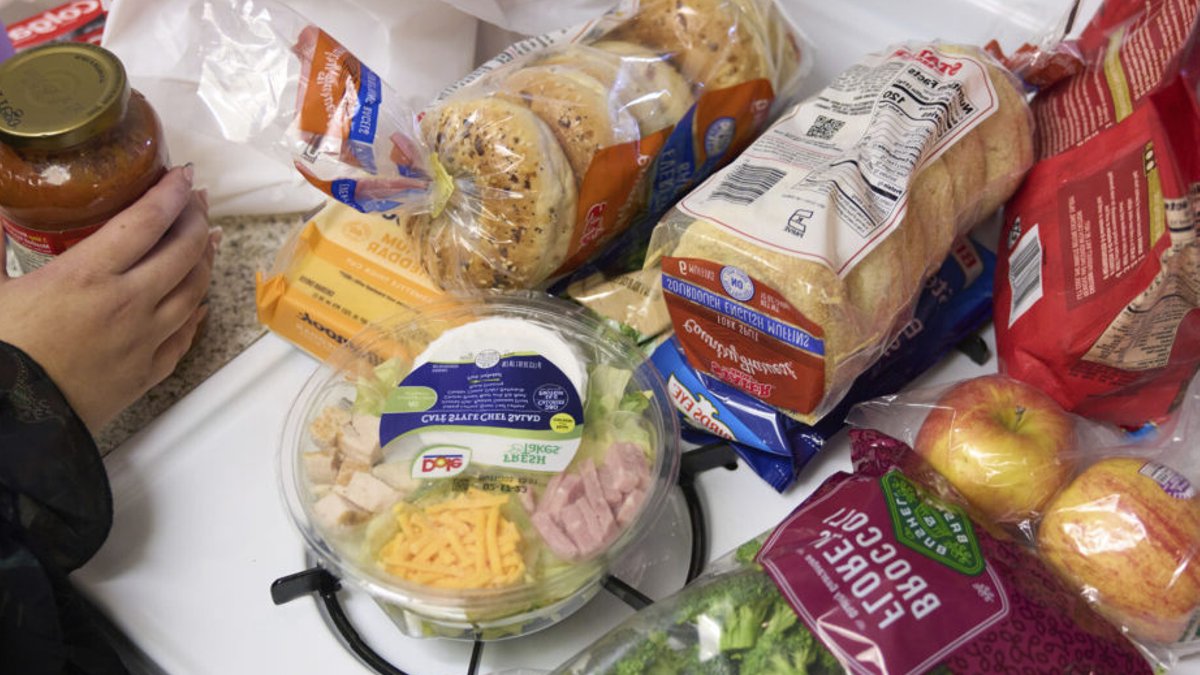
Massive cuts to the Supplemental Nutrition Assistance Program (SNAP) have resulted in at least 1.5 million children losing access to food assistance.
The Impact of SNAP Cuts on Families
The consequences of these cuts extend beyond hunger. Research indicates that when families lose food assistance, they may face a higher risk of investigation by child protective services, potentially resulting in family separation. This is due to the conflation of poverty and neglect in America’s child welfare systems.
When parents struggle to afford basic necessities like food, housing, and childcare, the resulting conditions can attract the attention of child protective services. The $187 billion reduction in the SNAP budget over the next eight years, as mandated by the budget reconciliation law H.R. 1, has already had devastating effects. Between July 2025 and April 2026, approximately 5 million people lost food assistance, with children being disproportionately affected.
Children Bear the Brunt
Children constitute about 20% of the U.S. population but account for nearly 40% of SNAP recipients. In Arizona, the state with the deepest cuts, nearly half of the children enrolled in the program, 180,000 kids, have lost their benefits. This material hardship can be treated as evidence of neglect, leading to increased contact with child protective services.
A seven-year study in Illinois found a correlation between high rates of food insecurity and increased child maltreatment investigations. Nationally, 63% of children with credible maltreatment claims were reported for neglect alone, with no indication of abuse. Over half of caregivers involved with child protective services live below the federal poverty line, and 60% of these caregivers rely on food assistance.
Poverty-related neglect cases bloat the system, making it harder to identify children at serious risk. Providing material support to families in poverty is key. Access to SNAP can help prevent the trauma of unnecessary investigations, surveillance, and separations. Long-term national data has shown that states that have previously expanded access to SNAP benefits had reduced numbers of CPS investigations and substantiated reports of abuse and neglect, as well as fewer support care placements.
Policy Choices and Their Consequences
Child hunger in the United States is a policy choice. Research shows that food security is important to children’s health, academic performance, and behavior. Children and youth experiencing food insecurity are more likely to have physical and emotional health problems. Young children are more likely to be diagnosed with developmental delays and behavior problems, and research has shown that receiving SNAP benefits mitigates these increased rates.
