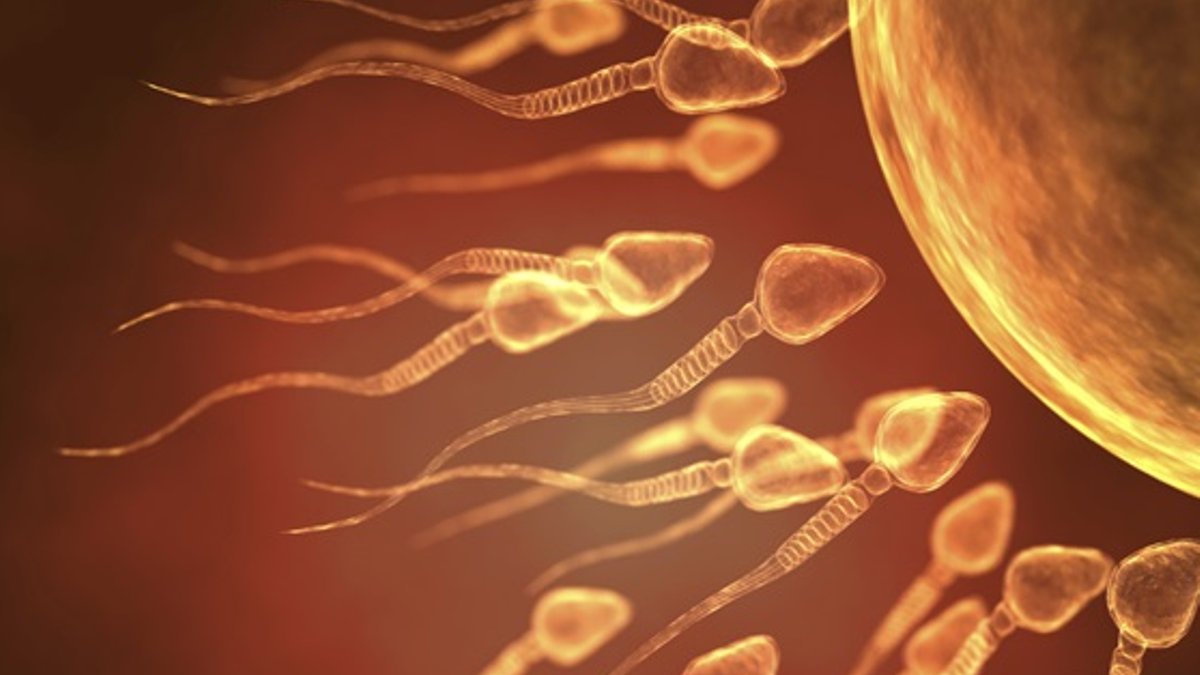
Researchers from Kyushu University have identified a specific histone subvariant H3mm15 that plays a key role in sperm development. This protein, which is a member of the H3.3 family, contributes to normal spermatogenesis by regulating gene expression. The group discovered that H3mm15 cannot be interchanged with conventional H3.3, despite looking similar at first glance.
Histones generally function as spools that wrap DNA to organize the genome. H3.3 is known for being incorporated into chromatin independently of DNA replication, often associated with active gene regions where transcription occurs. The team previously found closely related H3.3 variants in mice. Among them, H3mm15 is expressed mainly in the testis and differs from standard H3.3 by only three amino acids.
The search for biological function
That small difference sparked a central question for the study: can minute changes in sequence lead to unique biological functions? A research team led by Professor Akihito Harada investigated this through experiments on H3mm15-deficient mice. The study was published online in the journal Nucleic Acids Research on November 9, 2026.
The results showed clear defects in male fertility. Mice lacking the gene displayed disorganized seminiferous tubules, the structures responsible for sperm development. Additionally, the mice had reduced sperm motility. Gene expression profiles also shifted, particularly for genes required for the process of meiosis.
Read Also: Overactive Bladder Drugs May Not Raise Dementia Risk
Mechanisms of stability and movement
In cell cultures, H3mm15 did not enter chromatin as efficiently as H3.3. However, it showed an enrichment near promoters, where transcription begins. Analysis of transgenic mice confirmed that H3mm15 tends to cluster around transcription start sites. Structural analysis revealed that H3mm15 forms less stable nucleosomes than H3.3.
Live-cell measurements highlighted the behavior of a specific amino acid, glutamine at position 100. This element contributes strongly to the dynamic association of H3mm15 with chromatin. The researchers noted that while the dynamic nature of the nucleosome is clear, it did not enhance RNA polymerase II transcription in vitro. This suggests that the reduced stability of the nucleosome is not the sole driver of gene regulation.
Implications for epigenetics
The team proposes a “histone sub-barcode” model. This framework suggests that closely related subvariants carry distinct properties through differences in where they land in the genome, their stability, and their movement. Harada noted that understanding these specialized environments could explain epigenetic abnormalities. The team stated that while these findings are specific to mice, they provide a framework for future research into human sperm quality.
