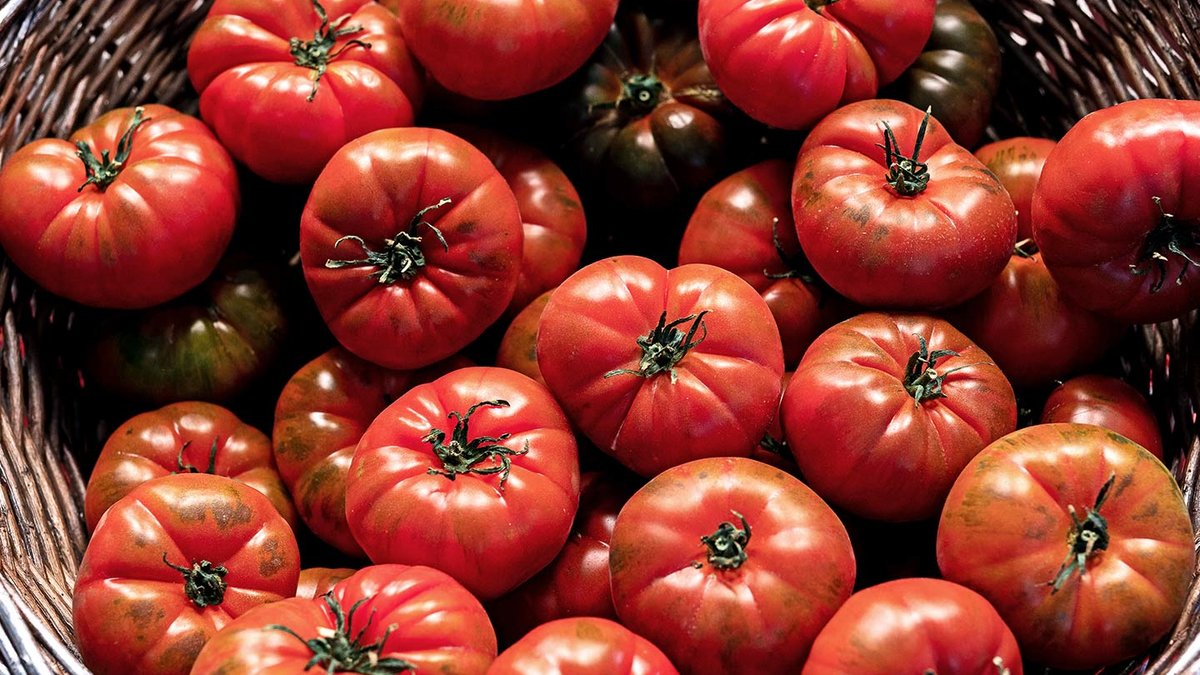
Tomato compound may help protect against fatty liver disease, according to new research from Tufts University. The study suggests a lesser-known nutrient called phytoene, which is a colorless precursor to lycopene, may contribute to the fruit’s protective effects against a chronic liver condition.
Lesser-Known Nutrient Offers Protection
For decades, the red pigment lycopene has been considered the tomato’s star nutrient. However, the research published in Molecular Nutrition & Food Science indicates that phytoene, a natural building block plants convert into lycopene and other carotenoids, also contributes to these benefits. The study found that mice given phytoene developed substantially less fatty liver disease than mice fed the same unhealthy diet without the compound.
Metabolic dysfunction-associated steatotic liver disease affects more than 1 in 3 American adults. In this condition, too much fat builds up in liver cells, leading to inflammation and, in advanced cases, scarring known as cirrhosis. While scientists have long known tomatoes may help protect the liver, tomato powder has outperformed purified lycopene in animal studies, implying that other compounds in tomatoes play a role.
How the Nutrient Works in the Body
The research team fed two groups of mice a high-refined-carbohydrate diet for six months to mimic dietary patterns associated with the disease. Half of the mice received phytoene supplementation at a dose equivalent to a person eating about three to four medium-sized raw tomatoes or 100 grams of tomato paste per day.
Related: Prosthetic Skin Detects Heat and Pressure
When the team compared liver health between the groups, the mice that received phytoene developed much less severe fatty liver disease. The compound appeared to activate key proteins involved in regulating liver metabolism, helping the liver burn excess fat for energy rather than allowing it to accumulate. Mice that lacked the enzymes needed to metabolize phytoene accumulated higher levels of the compound but did not receive the same protection, suggesting the benefits may come from smaller compounds produced when the body breaks down phytoene down.
It is worth noting that the protective effects seem to rely on the body’s ability to process the compound. The study also found that females accumulated more phytoene in the liver than males, indicating that sex may influence how the body absorbs or metabolizes the nutrient.
Broader Implications for Diet
Phytoene is not only abundant in yellow, orange, and red tomatoes, but it also exists in many common fruits and vegetables, including carrots, red peppers, pink grapefruit, watermelon, and apricots. The senior author of the study noted that encouraging people to eat more phytoene-rich fruits and vegetables could be a useful strategy to help prevent metabolic liver disease or slow its progression in high-risk individuals.
This discovery highlights the complexity of whole foods. While isolated nutrients often get the most attention, the synergistic combination of compounds within tomatoes might be responsible for their unique health properties. A diet rich in colorful produce generally supports better metabolic health and reduces the risk of chronic inflammation.
