
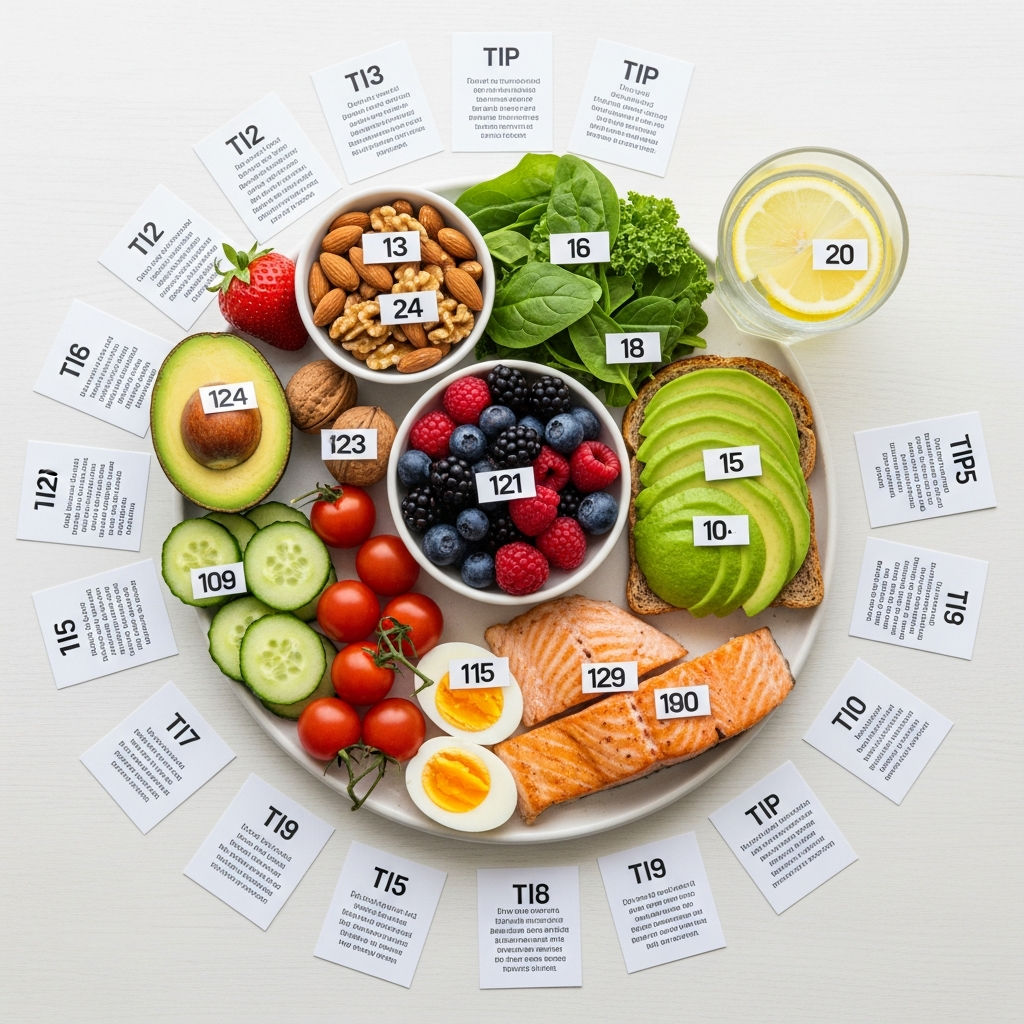
The Nutritionist’s Fallacy: Why Your “Healthy” Diet Is Failing Your Biology
Most health-conscious consumers are trapped in a cycle of performative nutrition. They buy the “organic” label, pay the “superfood” tax, and choke down kale salads, yet their metabolic markers remain stagnant. The industry has sold you a bill of goods focused on surface-level ingredients while ignoring the biochemical mechanics of how food actually interacts with human physiology. If you aren’t optimizing for bioavailability, nutrient synergy, and metabolic flexibility, you are merely expensive-garbage-in, expensive-garbage-out. To truly move the needle, we must stop looking at food as a list of ingredients and start viewing it as a biological software update.
The Bioavailability Blueprint: 20 Strategies for Radical Nutrient Optimization
1. The Lipid-Soluble Mandate
Stop eating dry salads. Vitamins A, D, E, and K are fat-soluble. Without a significant lipid carrier—think extra virgin olive oil, avocado, or grass-fed butter—your “healthy” greens are just expensive fiber that passes through your system unabsorbed. You are literally flushing your money down the toilet.
2. The Sulforaphane Activation Hack
If you cook broccoli immediately after cutting it, you destroy the enzyme myrosinase, preventing the formation of sulforaphane—a potent anti-carcinogenic compound. Hack: Chop your cruciferous vegetables and let them sit for 40 minutes before hitting the heat. This “wait time” allows the chemical reaction to lock in the nutrients before they are subjected to thermal degradation.
3. Decolonizing Your Palate from “Big Sweet”
Your taste buds have been hijacked by a food industry that optimizes for hyper-palatability. To improve your food, you must reintroduce bitterness. Dandelion greens, radicchio, and high-polyphenol olive oils trigger bile production and digestive enzymes. A sophisticated palate is a biological defense mechanism against metabolic syndrome.
4. Thermal Management: The Maillard Trap
Charred “healthy” grilled chicken is loaded with Advanced Glycation End-products (AGEs). These compounds accelerate cellular aging and inflammation. To optimize your protein, use moist heat methods like poaching or sous-vide, or marinate in acidic liquids (lemon/vinegar) to reduce AGE formation by up to 50%.
5. The Vinegar Glucose Buffer
Consuming two tablespoons of apple cider vinegar (diluted) before a carbohydrate-heavy meal is not “woo-woo” science; it’s a metabolic intervention. The acetic acid inhibits alpha-amylase, slowing the breakdown of starch into sugar and flattening the resulting glucose spike. It is the cheapest insurance policy against insulin resistance.
6. Ancestral Preparation: The End of Anti-Nutrients
Grains, legumes, and seeds contain phytates and lectins designed to protect the plant from being eaten. If you aren’t soaking, sprouting, or fermenting these foods, you are inducing low-grade gut permeability. Treat your pantry like a laboratory; pre-soaking isn’t a chore, it’s a neutralization process.
7. Frozen Over “Fresh” Logistics
The “fresh” spinach in your grocery store likely spent two weeks in a shipping container, losing 50-80% of its Vitamin C and folate. Flash-frozen produce is biologically superior because it is processed at peak ripeness, locking in the micronutrient profile. Stop paying a premium for wilted, nutrient-depleted “fresh” produce.
8. The Piperine Synergy Requirement
Turmeric is effectively useless without black pepper. The compound piperine in black pepper increases the bioavailability of curcumin by 2,000%. If your “golden latte” or curry doesn’t have a sharp kick of pepper, you are engaging in nutritional theater rather than systemic inflammation reduction.
9. Micronutrient Diversity vs. Monocrop Diets
Even “healthy” eaters fall into the trap of eating the same six vegetables. This creates a microbiome bottleneck. Aim for 30 different plant species per week. Diversity in fiber types is the only way to cultivate a robust, resilient gut flora capable of synthesizing B vitamins and short-chain fatty acids.
10. The Iodine-Selenium Axis
If you switched to trendy pink Himalayan salt, you’ve likely introduced an iodine deficiency into your household. Thyroid health requires iodine and selenium in a specific ratio. If you aren’t consuming sea vegetables (nori, dulse) or brazil nuts, your metabolic rate is likely red-lining due to mineral imbalances.
11. Breaking the “Egg White” Delusion
The obsession with egg whites is a relic of 1980s-era flawed lipid hypotheses. The yolk contains choline, lutein, and zeaxanthin—critical for brain health and vision. By discarding the yolk, you are discarding the “brain” of the food. Eat the whole egg or don’t bother.

12. Resistant Starch: The Leftover Advantage
Cooking potatoes or rice and then cooling them for 24 hours transforms rapidly digestible starches into resistant starch. This feeds your gut bacteria instead of spiking your blood sugar. Reheating them doesn’t reverse the process. This is structural engineering for your carbohydrates.
13. The Pith and Peel Protocol
Most of the bioflavonoids in citrus are in the white pith, and the highest concentration of antioxidants in apples is in the skin. When you peel and juice, you are removing the regulatory scaffolding that manages how your body processes the fruit’s sugar. Eat the whole system, not just the sugar-water.
14. Grass-Finished vs. Grass-Fed Marketing
Industry secret: most “grass-fed” beef is finished on grain to pack on weight. Only “100% grass-finished” meat contains the optimal Omega-3 to Omega-6 ratio (roughly 1:1 to 1:3). Standard beef is closer to 1:15, which is pro-inflammatory. Know your supply chain or pay the price in systemic inflammation.
15. Circadian Nutrition: The Window Matters
Your insulin sensitivity is highest in the morning and drops significantly as the sun goes down. A “healthy” meal at 9:00 PM is metabolically processed differently than the same meal at 9:00 AM. Stop focused solely on what you eat and start respecting the interphase of light and digestion.
16. Pressure Cooking for Lectin Defense
For those with sensitive digestive tracts, the pressure cooker is a mandatory tool. It is one of the few methods that effectively breaks down lectins in beans and nightshades that standard boiling cannot touch. It turns inflammatory triggers into inert fuel.
17. The Herbicide-Heavy “Clean” Foods
Even if you avoid the “Dirty Dozen,” many healthy grains and legumes are sprayed with glyphosate as a desiccant (drying agent) right before harvest. If it’s not organic or regenerative, you are likely consuming a side of endocrine disruptors with your “healthy” oats.
18. Hydration and Mineral Bio-availability
Filtered water is often “dead” water, stripped of essential electrolytes. If you drink massive amounts of purified water with your healthy food, you are leaching minerals from your own tissues. Remineralize your water with trace mineral drops to ensure your cells can actually use the nutrients you’re consuming.
19. The Protein Quality Ratio (DIAAS)
Stop looking at “grams of protein.” Look at the Digestible Indispensable Amino Acid Score (DIAAS). Plant proteins often have limiting amino acids and lower absorption rates. To get the same muscle protein synthesis from beans as you do from steak, you’d have to consume an amount of starch that would wreck your glycemic control. Balance accordingly.
20. Palate Decolonization: The Bitter End
Modern produce has been bred for sweetness (sugar). We have bred out the phytonutrients because they taste “strong.” Seek out heirloom varieties and wild-foraged greens. If your food doesn’t have a complex, slightly challenging flavor profile, it’s likely been stripped of its most potent medicinal properties.
The Final Verdict: Efficiency Over Aesthetics
Improving “healthy food” isn’t about finding a new recipe; it’s about optimizing the interface between matter and biology. If you treat your nutrition as a series of chemical reactions to be managed rather than a set of rules to be followed, you move from being a “dieter” to being a biological strategist. The rewards are not just aesthetic; they are systemic.