
Is Health News Still Relevant? 13 Facts You Need to Know
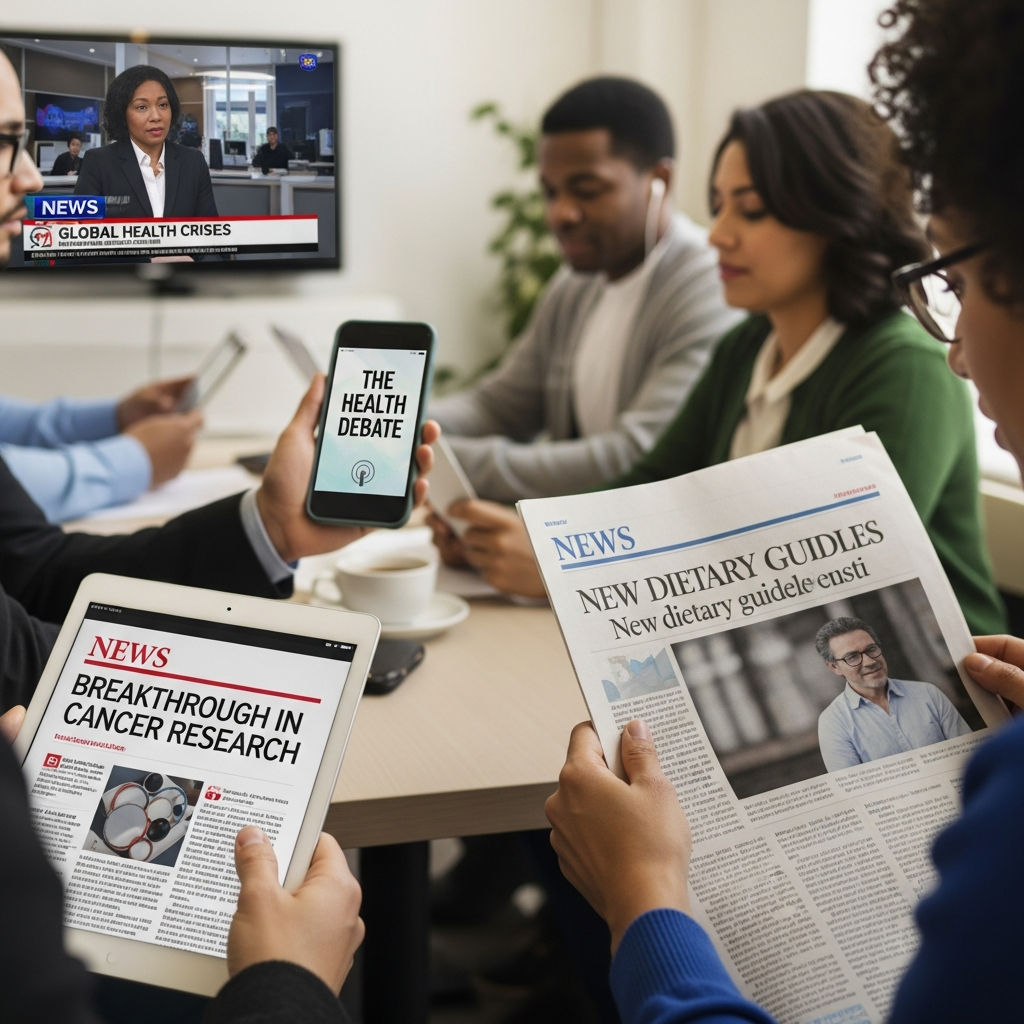
In an era dominated by social media “gurus,” AI-generated content, and a constant barrage of conflicting medical studies, many people are asking a critical question: Is health news still relevant? With the rise of misinformation and the “doom-scrolling” phenomenon, it is easy to feel overwhelmed or skeptical about the latest medical headlines.
However, the relevance of health news hasn’t diminished; rather, its role has evolved. Today, staying informed is no longer about passively consuming information but about navigating a complex landscape to find actionable, science-backed data. Whether it is a breakthrough in cancer research or a new guideline on heart health, the news remains a vital link between the laboratory and the living room.
To help you understand the current state of medical media, here are 13 facts about the relevance, impact, and reality of health news today.
1. Health News Drives Public Policy Changes
One of the most significant reasons health news remains relevant is its power to influence legislation. When journalists highlight public health crises—such as the opioid epidemic or the dangers of vaping—it creates public pressure that forces lawmakers to act. Investigative health journalism often uncovers systemic failures in healthcare, leading to new safety regulations and funding for research.
2. It Empowers Patient Advocacy
Gone are the days when the doctor was the sole gatekeeper of medical knowledge. Modern health news allows patients to become advocates for their own care. By staying informed about the latest treatments and clinical trials, patients can engage in shared decision-making with their healthcare providers, often leading to better health outcomes and more personalized treatment plans.
3. The “Headline vs. Study” Gap is Real
While health news is relevant, it is often prone to sensationalism. A common fact about modern medical reporting is the gap between a flashy headline and the actual scientific study. Headlines often claim a “miracle cure,” while the study itself might have only been conducted on mice or a very small group of humans. Understanding this distinction is key to maintaining a healthy level of skepticism.
4. It Plays a Critical Role in Disease Outbreak Monitoring
From the early days of COVID-19 to the seasonal fluctuations of the flu and RSV, health news serves as a real-time monitoring system. It provides the public with essential information on infection rates, vaccination clinics, and preventative measures. In times of crisis, reliable health news is literally a matter of life and death.
5. Social Media has Created a “Double-Edged Sword”
Health news is more accessible than ever thanks to platforms like TikTok, Instagram, and X (formerly Twitter). However, this relevance is hampered by the speed at which misinformation spreads. Fact: Research shows that false health information often travels faster than the truth because it is designed to trigger emotional responses. This makes the role of traditional, fact-checked health journalism even more vital.
6. AI is Changing How We Consume Medical News
Artificial Intelligence is now curating the health news you see in your feed. While algorithms can help you find topics you are interested in, they can also create “echo chambers,” where you only see information that reinforces your existing biases. The relevance of health news in the future will depend heavily on how AI is regulated to ensure accuracy over engagement.
7. Health News Can Improve Preventative Care
Regularly consuming high-quality health news encourages preventative behaviors. When news outlets report on the importance of colonoscopies at age 45 or the benefits of a Mediterranean diet, it serves as a nudge for the public to take proactive steps. These “small” pieces of news contribute to lower rates of chronic disease on a population level.
8. The “Mean World Syndrome” and Mental Health
While health news is relevant, the *type* of news matters. Constant exposure to negative health news—often referred to as “headline stress disorder”—can lead to increased anxiety and a skewed perception of reality. Many people now practice “news fasting” to protect their mental health, highlighting the need for news outlets to balance reporting on crises with stories of medical progress and hope.
9. Economic Markets React to Health News
The relevance of health news extends into the financial sector. When a major medical journal publishes a study regarding a new drug’s efficacy, pharmaceutical stocks can soar or plummet within minutes. This economic impact affects everything from retirement funds to the cost of insurance premiums, making health news a staple for financial analysts as much as doctors.
10. It Helps De-Stigmatize Sensitive Conditions
One of the most positive facts about health news is its ability to break down social stigmas. In-depth reporting on mental health, reproductive rights, and HIV/AIDS has shifted public perception over the decades. By putting a human face on these conditions, health news fosters empathy and encourages those suffering in silence to seek help.
11. Peer-Reviewed Journals are the “Gold Standard”
Despite the noise of the 24-hour news cycle, the most relevant health news still originates from peer-reviewed journals like *The Lancet*, *NEJM*, and *JAMA*. Fact: Most reputable news organizations employ specialized medical journalists who can interpret these complex papers for the general public. If a health story doesn’t cite a peer-reviewed source, its relevance should be questioned.
12. The Rise of “Niche” Health News
General health news is being supplemented by highly specialized outlets. Whether it is news specifically for Type 1 diabetics, rare disease communities, or biohackers, the “relevance” of health news is becoming more personalized. This allows individuals to ignore the noise and focus on the specific medical advancements that affect their lives.
13. It Acts as a Check on the Medical Industry
Health news serves as a watchdog. Without investigative reporting, issues like the over-prescription of certain medications, the high cost of insulin, or flaws in medical devices might go unnoticed by the general public. Transparency in the healthcare industry is largely maintained by the persistent efforts of health journalists.
How to Determine if Health News is Reliable
Since health news remains vital but is often surrounded by “noise,” you must develop a strategy for consumption. To ensure the news you read is relevant and accurate, look for the following markers:
- Source Attribution: Does the article link to a primary study or a reputable institution like the CDC or WHO?
- Expert Quotes: Are there comments from independent doctors or researchers who weren’t involved in the study?
- Date of Publication: Medical science moves fast; news from three years ago may already be debunked.
- Conflict of Interest: Does the article mention who funded the study? Funding from a company with a financial stake in the outcome can indicate bias.
Conclusion: The Verdict on Relevance
Is health news still relevant? Absolutely. In fact, in an age of misinformation, high-quality health journalism is more important than ever. While we must be more discerning about *where* we get our information, the core purpose of health news remains the same: to provide the knowledge we need to live longer, healthier lives.
By understanding the 13 facts listed above, you can move from being a passive consumer of headlines to an informed participant in your own healthcare journey. The next time you see a health headline, don’t just click—critique, verify, and then apply what is truly relevant to your well-being.