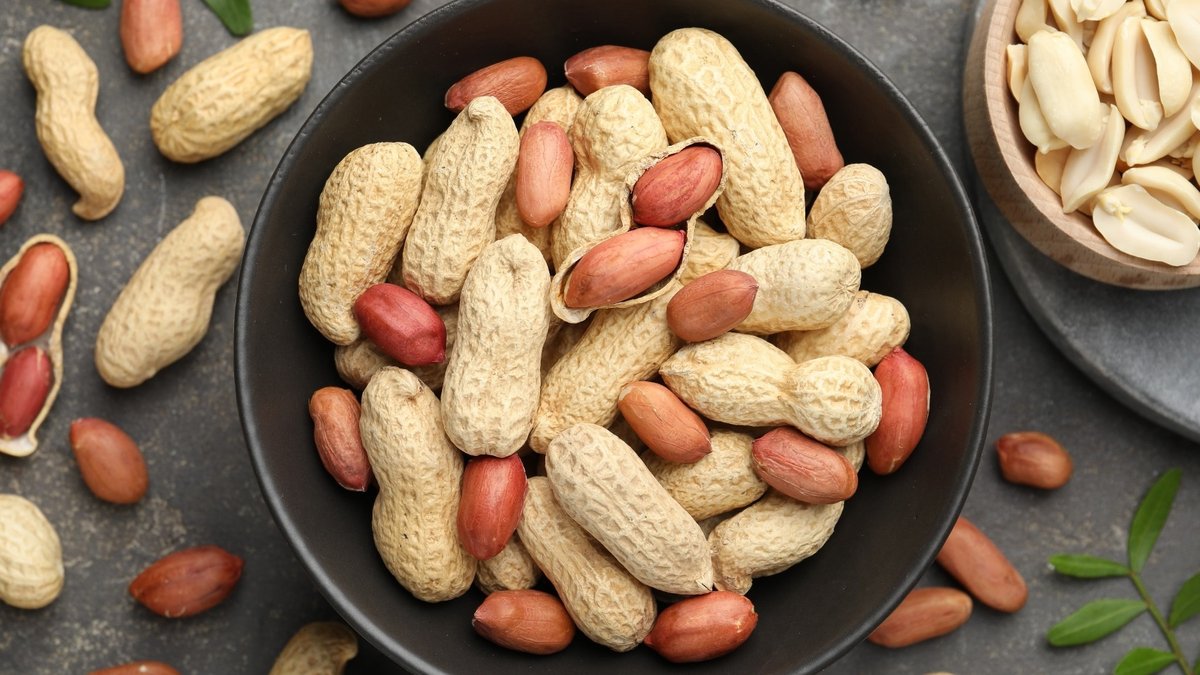
A 16-week clinical trial published in Food & Function reveals that older adults who consumed 60 grams of unsalted, skin-roasted peanuts daily for four months experienced localized changes in brain insulin sensitivity, particularly in memory-related regions. Insulin’s function in the brain differs from its role in the body: while most glucose uptake occurs independently of the hormone, insulin helps regulate neuronal activity in critical areas such as the hippocampus, prefrontal cortex, and hypothalamus—regions essential for memory, metabolism, and appetite. Disruptions in brain insulin signaling have been linked to cognitive decline and neurodegenerative diseases.
The trial involved 36 adults aged 60 to 75 with stable weight and no major metabolic disorders. Participants underwent two 16-week periods, one consuming peanuts daily, the other serving as a control, with an eight-week washout between phases. During the peanut phase, they ate prepackaged 60-gram servings while avoiding other nuts and seeds with similar nutrient profiles. Compliance was strong, with only one participant withdrawing due to gastrointestinal discomfort. No serious adverse events occurred.
After 16 weeks, researchers used arterial spin labeling MRI to assess cerebral blood flow before and after intranasal insulin administration. The key discovery was a reduced blood flow response to insulin in a specific cluster of the right hemisphere, spanning the lingual gyrus, hippocampus, and parahippocampal gyrus. The team interpreted this as a potential sign of more efficient neuronal regulation, though they noted that cerebral blood flow is an indirect measure and the physiological meaning remains unclear. No significant changes appeared in global brain regions, gray matter, or subcortical areas.
Peanuts’ brain insulin effects, mechanisms still mysterious
The effect did not correlate directly with memory improvements observed in earlier phases of the same trial. The study’s small size, 31 completers, and lack of a matched control food limited conclusions about whether the changes stemmed from peanuts alone or broader dietary shifts.
Peanuts contain compounds that may drive these effects, including L-arginine, unsaturated fatty acids, fiber, and polyphenols, all of which influence neuronal signaling and blood flow. However, the study did not isolate which specific nutrients were responsible. Metabolic markers such as glucose, insulin, cholesterol, and inflammation levels remained largely unchanged, except for a temporary drop in triglycerides at week 8, which the researchers described as exploratory and not statistically robust.
Related Post: Alzheimer’s Group Aims to Improve Brain Care
While the findings suggest long-term peanut consumption could modulate brain insulin sensitivity in ways that support cognitive health, the mechanisms remain unclear. Whether these changes directly improve memory or reflect broader dietary effects remains an open question. The study’s authors emphasized the need for larger trials with controlled diets to pinpoint the active components and clinical relevance.
Limitations and unanswered questions about peanut benefits
One practical limitation is that the trial used unsalted, skin-roasted peanuts, a specific preparation not widely available in standard packaging. Whether other peanut varieties or processing methods yield similar effects is unknown. The findings also do not address whether benefits extend beyond healthy older adults to those with diabetes or established cognitive impairment.
The study’s design included tracking broader dietary changes during the peanut intervention. Protein levels remained unchanged, indicating the peanut intervention did not alter overall protein sources in participants’ diets.
Blood pressure and anthropometric measures, such as waist circumference and body fat percentage, also remained stable throughout the study. This stability suggests the observed brain changes were not driven by shifts in overall body composition or cardiovascular function. However, the study did not assess whether these effects would differ in individuals with preexisting metabolic conditions, such as type 2 diabetes or prediabetes, where brain insulin responsiveness is often already impaired.
Study Design and Methodological Considerations
The trial enrolled participants aged 60 to 75 who met specific health criteria, including a body mass index between 20 and 35, stable weight, and no major metabolic or cardiovascular conditions. Exclusion factors included peanut allergies, substance abuse, MRI incompatibility, and recent trial involvement. Left-handed individuals and current or recent smokers were also included, while those using medications or supplements that could influence outcomes were excluded. Standard metabolic and blood pressure criteria were applied to ensure consistency among participants.
