Washington’s Department of Health and Human Services (HHS) is providing $383.4 million to bolster nationwide behavioral-health services, covering treatment, prevention, and crisis-response efforts across states and territories.
The funding, distributed through the Substance Abuse and Mental Health Services Administration (SAMHSA), is part of a broader effort to enhance access to care and support for individuals facing mental health and substance use challenges.
Crisis Services Get a Boost
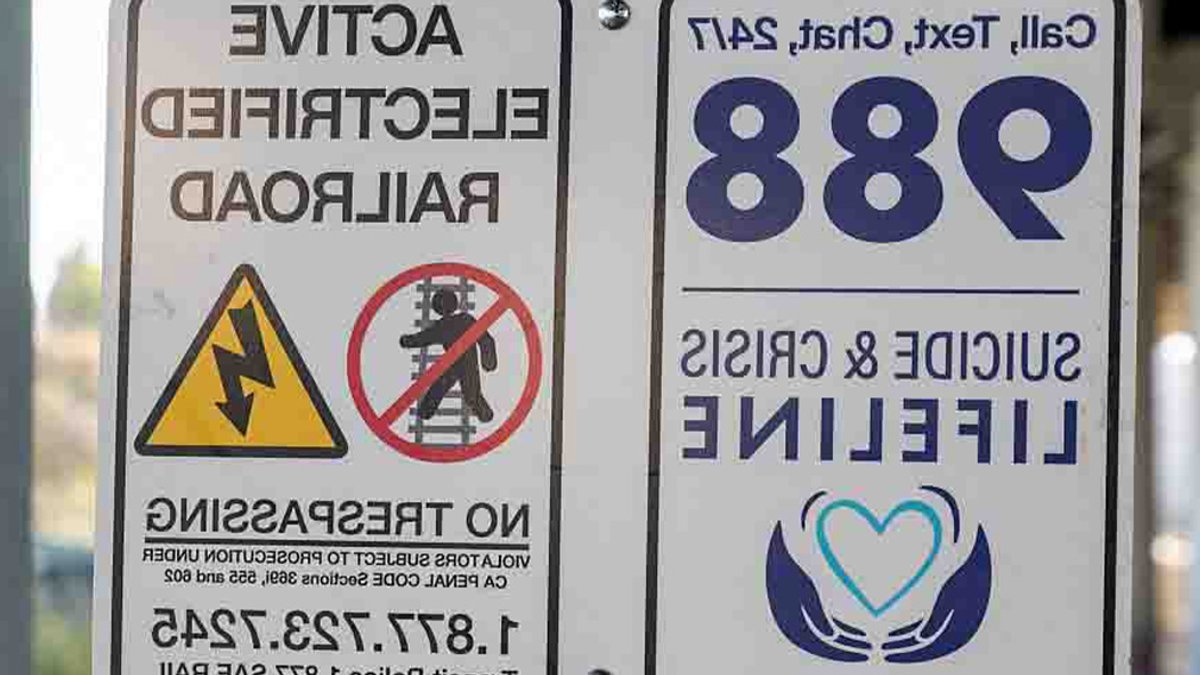
A significant portion, $252 million, is allocated to the 988 Suicide and Crisis Lifeline, suicide prevention programs, and mobile crisis services. This includes $205.8 million for states and territories to enhance their responses to 988 calls, texts, and chats, ensuring more effective and timely interventions. Additionally, $19.9 million is specifically designated for tribal communities to strengthen their crisis response capabilities. Another $12.4 million will establish or expand mobile crisis teams serving children and adults experiencing mental health or substance use crises, providing on-the-ground support where it’s needed most.
SAMHSA’s Christopher Carroll emphasized, “988 has become a critical front door to behavioral health care for millions of Americans, but answering the call is only the beginning.”
Beyond Crisis Intervention
The awards extend beyond crisis hotlines, with $81.4 million supporting substance use treatment and prevention, and $50 million funding other mental health initiatives. This includes $14.3 million for childhood trauma treatment centers, addressing the long-term impacts of early adversity. Additionally, $12.8 million is allocated to help states integrate physical and behavioral healthcare. An additional $3.8 million will establish or expand intensive, team-based programs for people with serious mental illness.
In terms of prevention, HHS awarded $5.8 million for programs that divert adults and youths with mental illness or co-occurring disorders into community-based services before arrest or booking, reducing the burden on the criminal justice system and connecting individuals with appropriate care.
Addressing Substance Use
Substance use treatment receives a significant boost with $5.9 million allocated to programs offering alternatives to opioids for pain management in hospitals and emergency departments. Additionally, $10.6 million supports community overdose prevention programs, equipping local organizations with resources to save lives. Another $7.4 million expands treatment capacity in drug courts, offering individuals involved in the justice system a pathway to recovery. Finally, $7.1 million supports rural opioid technical assistance centers, ensuring that even remote areas have access to critical expertise and resources.
