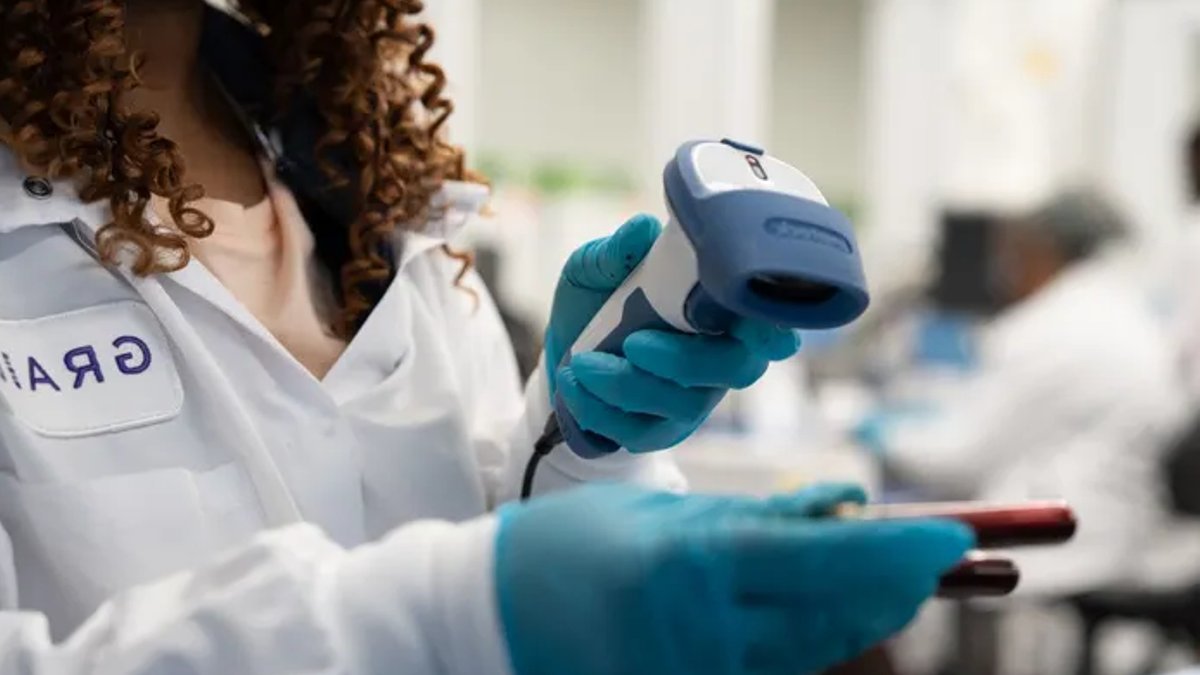
Grail’s Galleri test identifies DNA in the bloodstream to screen for a signal shared by more than 50 cancer types. The company submitted a premarket approval application earlier this year, prompting the Food and Drug Administration to schedule an advisory committee meeting for September. The panel will convene to review the data, a step Grail has been pursuing since launching the test as a laboratory developed test in 2021.
The device uses a single blood sample to detect signals from multiple cancers, but the company hit a setback when its clinical trial missed its primary endpoint in February. Grail revealed that its landmark three-year study with the U.K.’s National Health Service failed to show a statistically significant reduction in late-stage cancer diagnoses. The trial did show a favorable trend toward fewer Stage III and IV cancers in a specific group of 12.
Related: Zimmer Biomet Revamp Exceeds Expectations
Grail’s new chief executive, Josh Ofman, told analysts on an earnings call that the combined findings of the company’s research support the potential of MCED screening at population scale to identify cancers at earlier stages. The company sold more than 61,000 Galleri tests in the second quarter, a volume increase of 35% year over year. It also expanded its sales and medical teams during this period.
The FDA sides with committee decisions roughly 80% of the time. TD Cowen analyst Dan Brennan noted that the experts selected for the advisory panel will be key to watch. Brennan views FDA approval as 75% likely. Abbott and other companies are also developing similar tests, but Galleri would become the first MCED screening to receive FDA approval if the agency grants the nod.
Ofman said the company continues to expect Galleri to receive FDA approval in the first part of 2027. This timeline suggests a long wait for clinicians and patients hoping for a new tool in the fight against cancer. The agency designated Galleri as a breakthrough device in 2018, which helps speed up the review process, but the recent trial results complicate the path forward.
Related: User Blocked After Policy Violation
Regulators are often cautious about new screening tools that lack clear evidence of reducing mortality or improving patient outcomes. The missed primary endpoint in the U.K. trial raises questions about how the panel will weigh the benefits against the risks. The September meeting will likely be the most critical moment in the approval process, as the committee’s recommendations carry significant weight with agency decision-makers.
Grail has faced skepticism from some quarters regarding the commercial viability and clinical utility of the test. The price point and insurance coverage remain uncertain factors that will determine how widely the Galleri test is adopted if it receives clearance. The company’s ability to prove that early detection leads to better health results will be the central challenge in the coming months.
