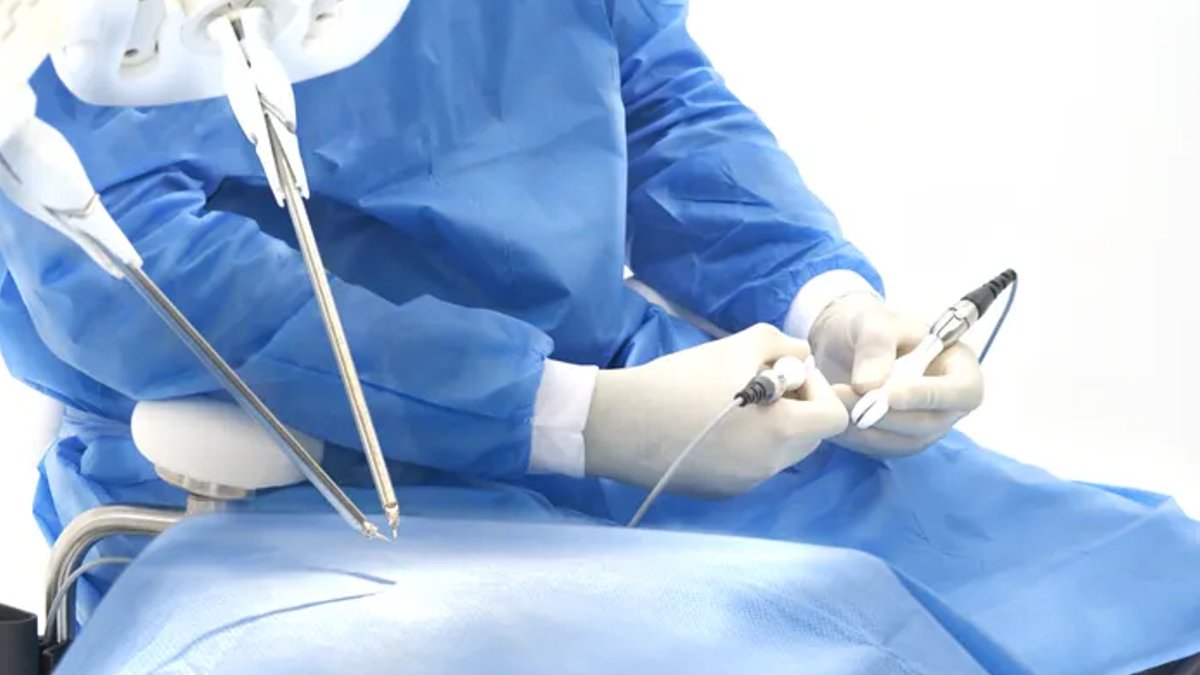
MMI has received FDA clearance to broaden enrollment in a feasibility trial that uses its Symani robotic system for microsurgical procedures aimed at restoring lymphatic drainage in patients with Alzheimer’s disease.
Trial expansion approved after initial safety review
The agency granted a supplement to the investigational device exemption after reviewing 30‑day safety data from the first cohort of participants. The study, called REMIND, will now allow up to 15 patients to join, an increase from the original limit of five.
All enrolled individuals have mild to moderate Alzheimer’s and confirmed abnormalities in the deep cervical lymph nodes. The trial is being conducted at multiple sites, with the first procedure performed at Baptist Health in Jacksonville, Florida.
Researchers hope that repairing the tiny lymphatic vessels in the neck can improve clearance of neurotoxic proteins such as amyloid‑beta and phosphorylated tau, which are thought to contribute to disease progression.
How the Symani robot works
Surgeons operate the system using OperaAir controllers, which translate hand and wrist movements into precise motions of micro‑instruments. The robot filters out tremors and scales movements, allowing work on structures less than a millimeter wide.
The device can be positioned at the patient’s bedside or operated from elsewhere in the operating room, giving clinicians flexibility in how they approach the procedure. Symani is currently the only commercially available robot designed specifically for microsurgery.
Beyond the Alzheimer’s study, the platform has been employed for a range of procedures, including skin and bone grafts, head‑and‑neck cancer reconstructions, cochlear implants, eye surgeries, intracranial operations, liver transplants and spine tumor removals.
In 2024 the system earned de novo classification from the FDA for microsurgery, and a 2025 clearance expanded its use to soft‑tissue dissection.
Related: Stryker recovers from recent cyber attack
The company says the REMIND trial is part of a broader effort to extend robotic microsurgery into additional therapeutic areas.
Comparing this effort to earlier attempts at lymphatic interventions shows a shift toward leveraging precision robotics rather than traditional open surgery. Past approaches often faced limitations in accessing vessels of such small caliber, which the Symani robot appears to overcome.
The study remains prospective and global, with ongoing monitoring of safety outcomes.
If the trial demonstrates feasibility, a larger follow‑up study could be planned, potentially changing the approach to neurodegenerative conditions.
CEO Mark Toland described the work as “pushing the boundaries of medicine” in a recent interview, emphasizing the potential impact of restoring drainage pathways on brain health.
While the trial’s primary focus is safety and technical feasibility, any indication that improved lymphatic flow reduces accumulation of harmful proteins would be a notable development for Alzheimer’s research.
Progress will be watched closely.
