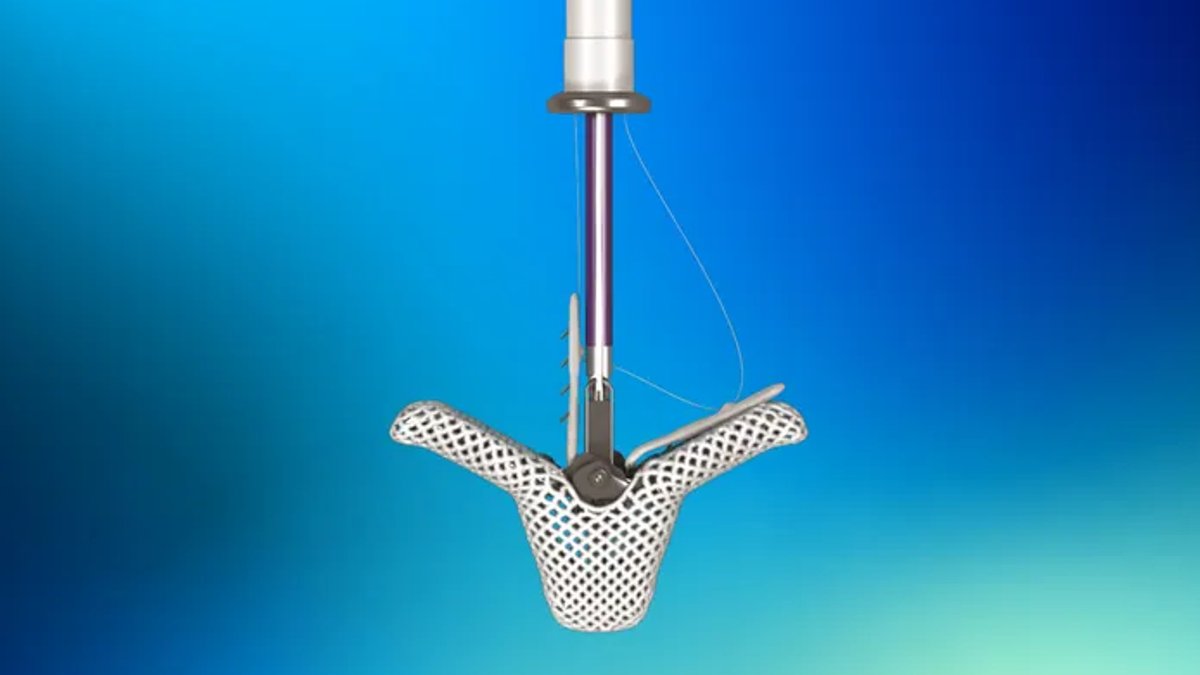
Abbott initiated a postmarket study to evaluate the real-world use of its TriClip device in repairing tricuspid heart valves. The medical device manufacturer announced Tuesday that it tracks the safety and performance of the system in roughly 1,000 patients. The U.S. Food and Drug Administration approved TriClip in 2024 based on results from a key trial. Abbott continues to bolster evidence on the system, including recent registry data. Increased competition from rival Edwards Lifesciences characterizes the structural heart market right now.
Expanding the Trial Scope
This real-world study follows outcomes in approximately 1,000 TriClip patients over a span of five years. Abbott plans to collaborate with up to 100 sites globally to enroll participants. Officials defined the trial’s three primary endpoints as adverse events, TR severity, and health status 30 days after treatment. This approach allows for a full assessment of the device in a contemporary clinical environment.
Related: Boston Scientific Plans Restructuring $800M Charges Expected
Tricuspid regurgitation, or TR, occurs when a leaky valve permits blood to flow backward. This action forces the heart to work harder to pump blood throughout the body. The device clips flaps of tissue together to fix valves that have become too loose. Structural changes often happen when an organ is injured or overloaded. Tracking patients beyond the primary endpoint assessments enables Abbott to uncover longer-term outcomes, including the effect on the heart’s structure.
An imaging sub-study involving 250 patients will specifically assess whether TriClip reverses those changes. These changes occur in the 12 months following treatment. This focus on cardiac remodeling provides a deeper look into how the device repairs underlying heart conditions. It shifts the analysis beyond simple symptom relief to focus on structural improvement.
Rising Rivalry in Structural Heart
Edwards expects to launch its Pascal treatment for tricuspid patients in the U.S. during the fourth quarter. The device already competes with TriClip for the European TR market. The anticipated Pascal launch could exert pressure on a successful segment of Abbott’s structural heart unit. Daveen Chopra, corporate vice president at Edwards, highlighted on the company’s earnings call last week that features like independent grasping “really make a difference” in tricuspid patients.
Related: Mood Swings During Pregnancy. How To Deal with Them?
Chopra noted that these features mean physicians “want to use Pascal more and more often” in tricuspid patients in Europe. This feedback implies that Edwards has developed a technology capable of distinguishing itself in a crowded field of valve repair options. Manufacturers frequently initiate extensive postmarket surveillance campaigns shortly after initial regulatory approval to validate their products in diverse clinical settings. Such an approach allows companies to gather robust data that surpasses the limitations of smaller, short-term clinical trials.
By securing this long-term data now, Abbott aims to insulate its market position against rivals who might emerge with newer, faster-performing alternatives in the future. This defensive strategy is common when innovation cycles accelerate in the healthcare sector. The structural heart division remains a bright spot for the company despite broader challenges. Abbott has been “showing good growth in tricuspid,” CEO Robert Ford stated on an earnings call this month.
