Trial size and design
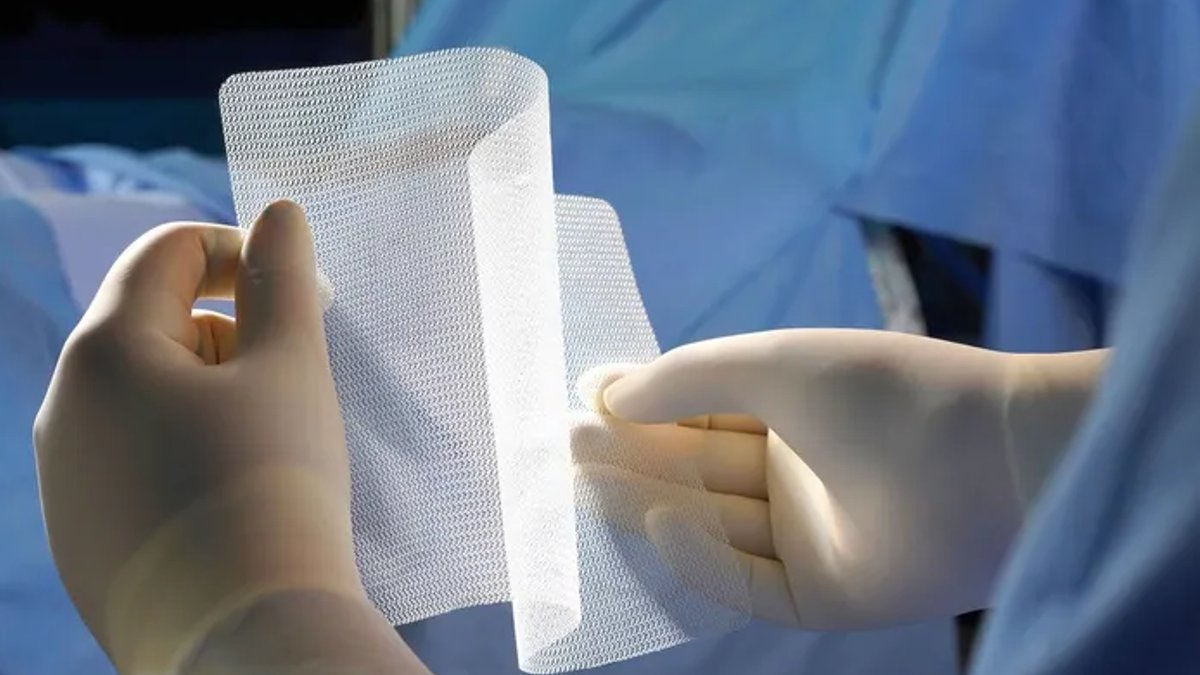
Investigators recruited 477 participants at 32 sites across the United States and Europe. The study, known as the PREVENT trial, pits the Phasix mesh against standard primary suture closure to see which method lowers the incidence of postoperative incisional hernias.
Patients will be monitored for a primary endpoint at 24 months. After that point, BD plans to use the results to seek FDA authorization for the prophylactic indication.
The trial’s scope reflects a broader push to test regenerative‑type biomaterials in new surgical settings.
Background on Phasix and prior use
Phasix is a fully resorbable mesh first cleared by the FDA in 2015 after BD’s acquisition of CR Bard. The device was originally approved for hernia repair, and long‑term data have shown a low rate of mesh‑related complications such as pain and infection.
BD has faced litigation over other Bard mesh products made from different materials, but those cases have not involved Phasix. The firm hopes that the new data will separate the resorbable product from past controversies.
Rian Seger, worldwide president of surgery at BD, said the trial “builds on decades of innovation in abdominal wall surgery” and could “help broaden the role of regenerative technologies for patients at risk of post‑surgical complications.”
Related: Philips shareholder to raise stake to 22 percent
Enrollment milestone comes after BD reported double‑digit growth in its infection‑prevention and advanced tissue‑regeneration product lines for the third quarter of its fiscal year. CEO Thomas Polen highlighted the trial as part of the strategy to expand biomaterial use into new indications.
Preventing incisional hernias is a priority for surgeons because these defects can lead to additional operations, longer hospital stays, and higher health‑care costs.
Demonstrating that a resorbable mesh can safely reduce hernia rates would give clinicians another tool to improve outcomes after major abdominal procedures.
The enrollment completion itself signals that the study design was acceptable to a wide range of investigators. Inclusion of sites in both the U.S. and Europe suggests the data will have relevance across regulatory environments.
BD described the enrollment finish as “a significant milestone in its advanced tissue regeneration strategy and expansion efforts.” The company expects the data to inform future regulatory submissions and potentially expand the Phasix label to include prophylactic use in elective open midline laparotomy surgeries.
Should the outcomes prove favorable, the mesh could be positioned as a preventive measure rather than a treatment after a hernia develops, aligning with BD’s aim to move biomaterials into earlier stages of patient care.
