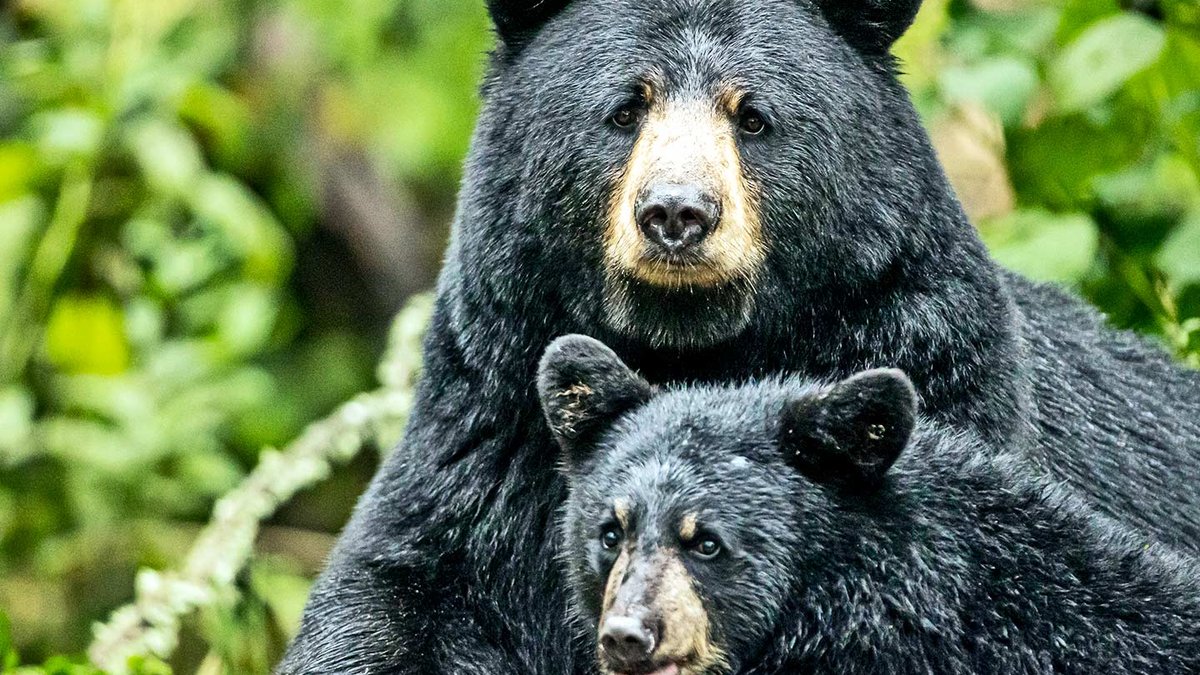
Black bears may wake from hibernation earlier or skip it entirely as rising temperatures alter the seasonal signals that once governed their winter dormancy, new research from Virginia Tech shows.
Temperature and daylight shape bear behavior in unexpected ways
The study, published in Proceedings of the Royal Society B: Biological Sciences, followed four wild, pregnant female bears over multiple hibernation cycles using more than 22,000 hours of continuous video. Scientists recorded 45 distinct behaviors and connected them to factors like temperature and photoperiod—the changing length of daylight across seasons.
Brogan Holcombe, the lead author and a doctoral student in Virginia Tech’s Department of Fish and Wildlife Conservation, found that temperature alone affected behavior at the start of hibernation. However, both temperature and daylight played key roles in other stages. “As temperatures rise, bears may stay active when they would normally rest,” Holcombe explained. This change could create a mismatch between bear activity and food availability, pushing them toward human-populated areas for sustenance.
The results challenge the idea that temperature drives hibernation timing in black bears. Instead, the work reveals how environmental signals interact in ways that may break down as climate patterns change. Since daylight cycles remain constant while temperatures vary, warming trends could disrupt the timing of hibernation.
When surprised, the body often reacts in visible ways—such as pupil dilation, which reflects brain activity.
Climate change could force bears into closer contact with humans
If bears wake earlier or stay active longer, they may face food shortages in their natural habitats. Scarcity could drive them into residential areas, raising the risk of conflicts with people. The team, including Professor Marcella Kelly and Bernardo Mesa-Cruz, noted that such changes might affect ecosystems, altering seed dispersal and interactions between species.
Related: Medtronic wins CE mark for VT ablation treatment
At Virginia Tech’s Black Bear Research Center, where the footage was gathered, scientists saw how pregnant females adjusted their activity based on conditions. During pre-hibernation feeding and den emergence, the animals were especially sensitive to temperature and daylight. Even small climate shifts could significantly alter hibernation timing, affecting bear survival and human safety.
Wildlife managers may use these findings to predict how bears will respond to warming. Agencies could adjust hunting seasons, improve trash management, or create buffer zones between bear habitats and human development to reduce conflicts.
The research is among the first to examine how temperature and photoperiod together influence hibernation. Though the sample size was limited, the detailed data provides a basis for future studies. Scientists might now investigate whether similar patterns exist in other bear species or regions with different climate impacts.
For now, the results highlight how even long-standing biological rhythms can be disrupted by environmental change. Black bears have relied on the balance between temperature and daylight to time their hibernation for generations. As that balance shifts, the effects could extend far beyond the den.
A recent approval in Europe may offer new options for heart treatments, similar to how this study opens paths for wildlife management.
