A new study sheds light on one of nature’s biggest immune mysteries, specifically how bats can carry viruses that cause severe disease while rarely becoming seriously ill themselves.
Researchers at Tulane University, with collaborators at Stanford University and the Centers for Disease Control and Prevention, may have found a reason for this phenomenon.
The study, published in Science Advances, found that the world’s largest family of bats has two distinct copies of the genes that produce antibodies, the specialized proteins that help the immune system recognize and fight infections.
Every other known mammal has only one such set of genes, making this discovery a significant finding in the field of immunology.
According to the study, the discovery opens new avenues for understanding the evolution of immunity and how animals respond to disease.
Hannah Frank, associate professor of ecology and evolutionary biology at Tulane University School of Science and Engineering and corresponding author of the study, says, “We think this discovery is an important piece of the puzzle.”
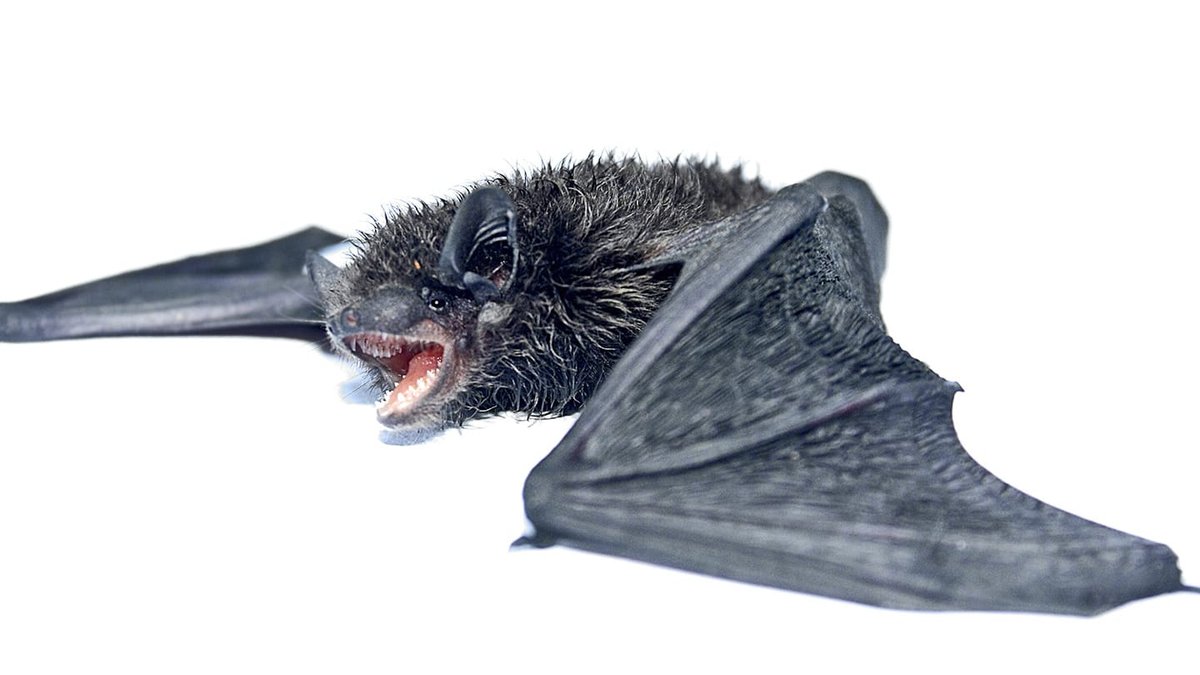
Frank and her collaborators discovered that vesper bats possess two separate heavy-chain gene systems, giving them an entirely new way to generate a variety of antibodies.
This newly discovered antibody system may offer one explanation for the remarkable evolutionary success of vesper bats, which include more than 500 species found on every continent except Antarctica.
Related: Wildfire Smoke Impacts Economy in Three Ways
While the team has traditionally focused on bats’ innate immune systems, Frank says this study highlights the importance of looking more closely at their adaptive immune system—the part responsible for producing antibodies.
Understanding how bats coexist with viruses without becoming ill may eventually help scientists better understand immune responses across species and improve strategies for preventing disease spillover.
The study’s findings highlight the importance of studying the natural world and the varied ways in which different species have evolved to respond to disease.
Frank says, “We’ve learned an enormous amount about immunity by studying humans and laboratory mice, but the natural world is far more varied than that.”
“Every time we study a species that has evolved differently, we have the opportunity to discover something entirely new,” Frank adds.
The discovery was made possible through a collaboration between researchers at Tulane University, Stanford University, and the Centers for Disease Control and Prevention.
They hope that further research will build on this finding to improve our understanding of immune responses in bats and other species.
